


Today, Environmental, Social and Governance (ESG) has become a central part of strategic business management. Companies across Europe are integrating ESG principles across the entire supply chain to realise long-term benefits and meet stakeholder and regulatory requirements.
IFS Cloud facilitates integration by efficiently collecting data and calculating the environmental impact of both purchased and manufactured products. IFS ensures accurate compliance reporting for materials such as PFAS, REACh and RoHS. This functionality emphasises IFS Cloud's relevance across all manufacturing industries. These sectors include aerospace and defence, services, energy, utilities and resource industries. This not only broadens the scope, but also makes IFS Cloud an essential resource for these industries.
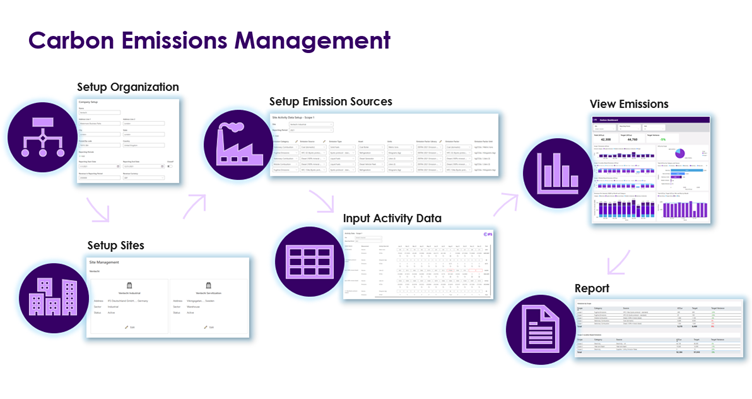
The Carbon Emissions Management process enables, among other things, identification of emission sources, site management, visual presentation of emissions and detailed reporting. Such a tool can be a crucial element of a company's ESG strategy as it promotes transparency in reporting.
ESG in practice: From reporting to action
Traditionally, companies have focused on ESG reporting as a way to fulfil external requirements. However, the trend is now shifting towards actively reducing environmental footprints and improving social conditions. This shift is driven by the realisation that sustainability can drive innovation, open new markets and improve financial performance.
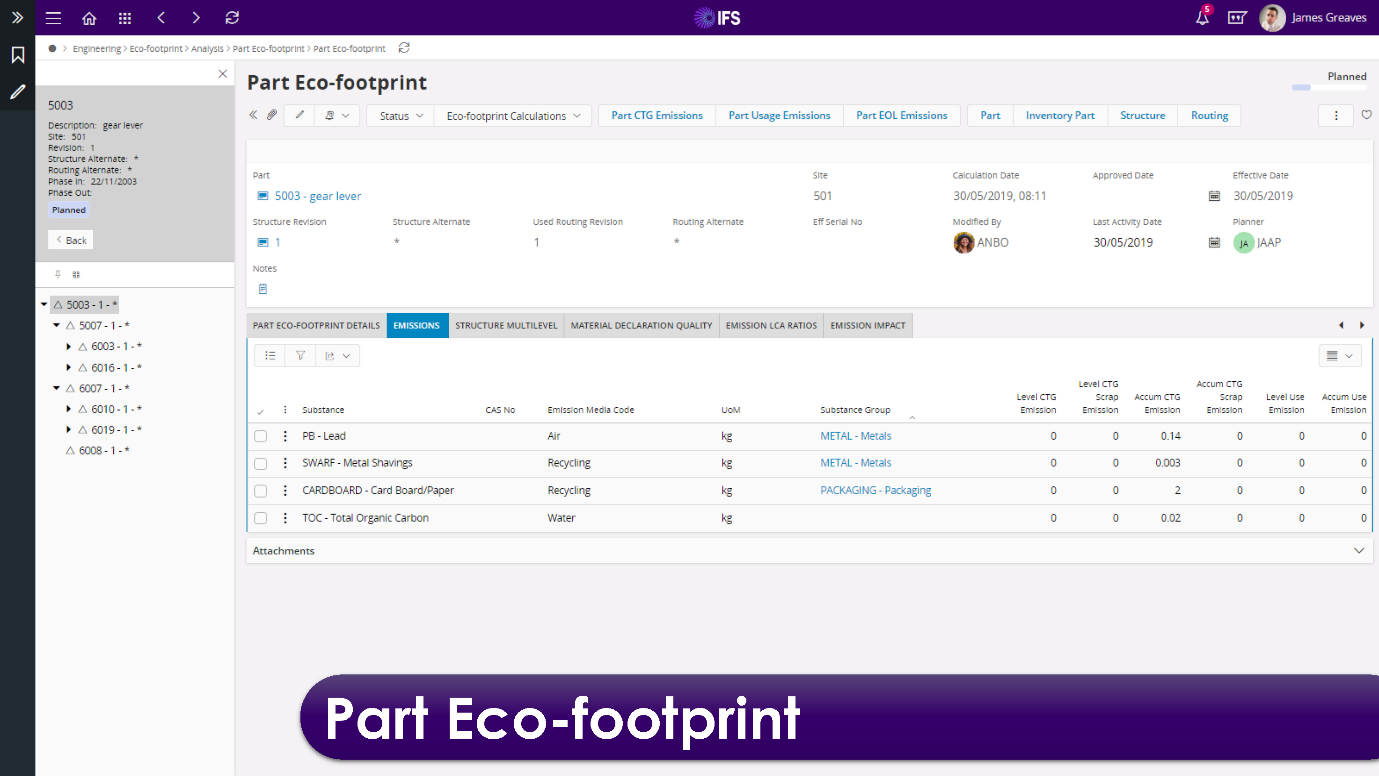
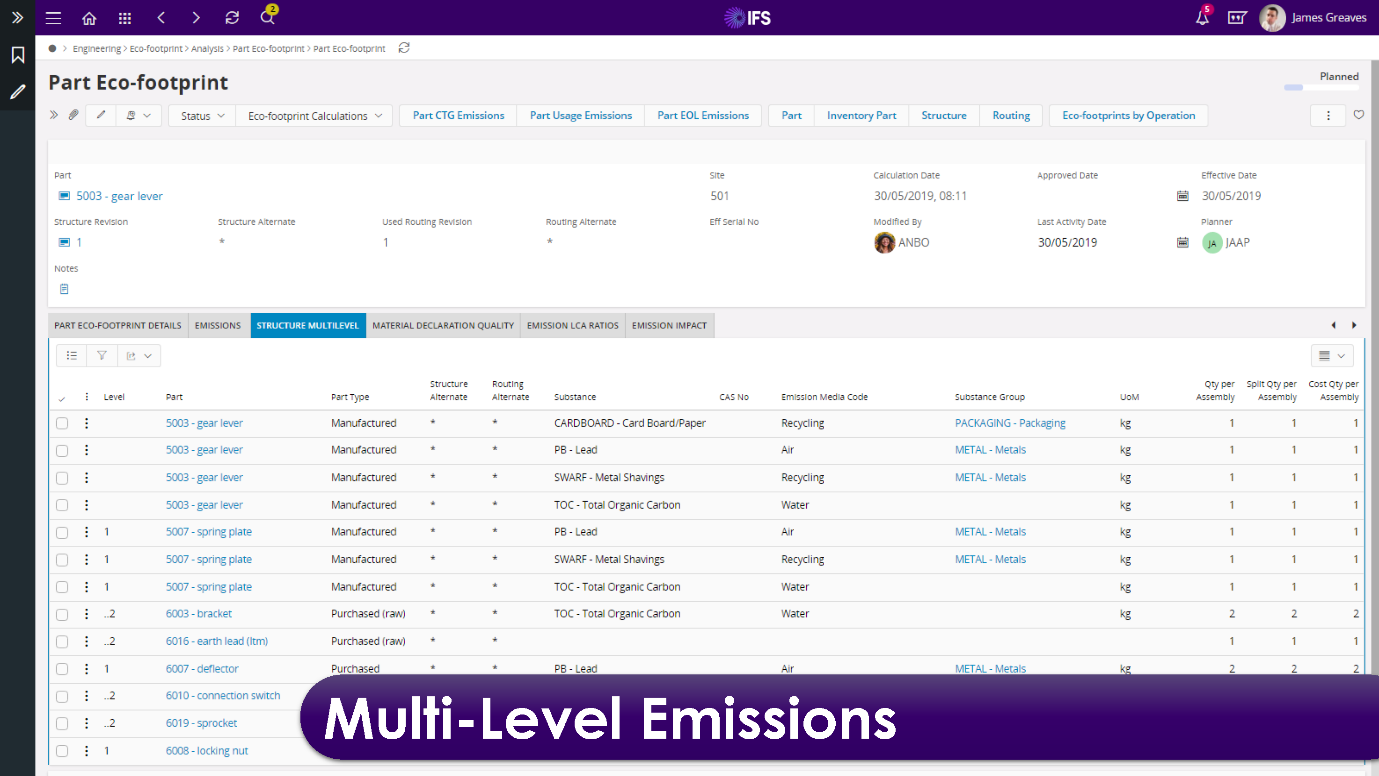
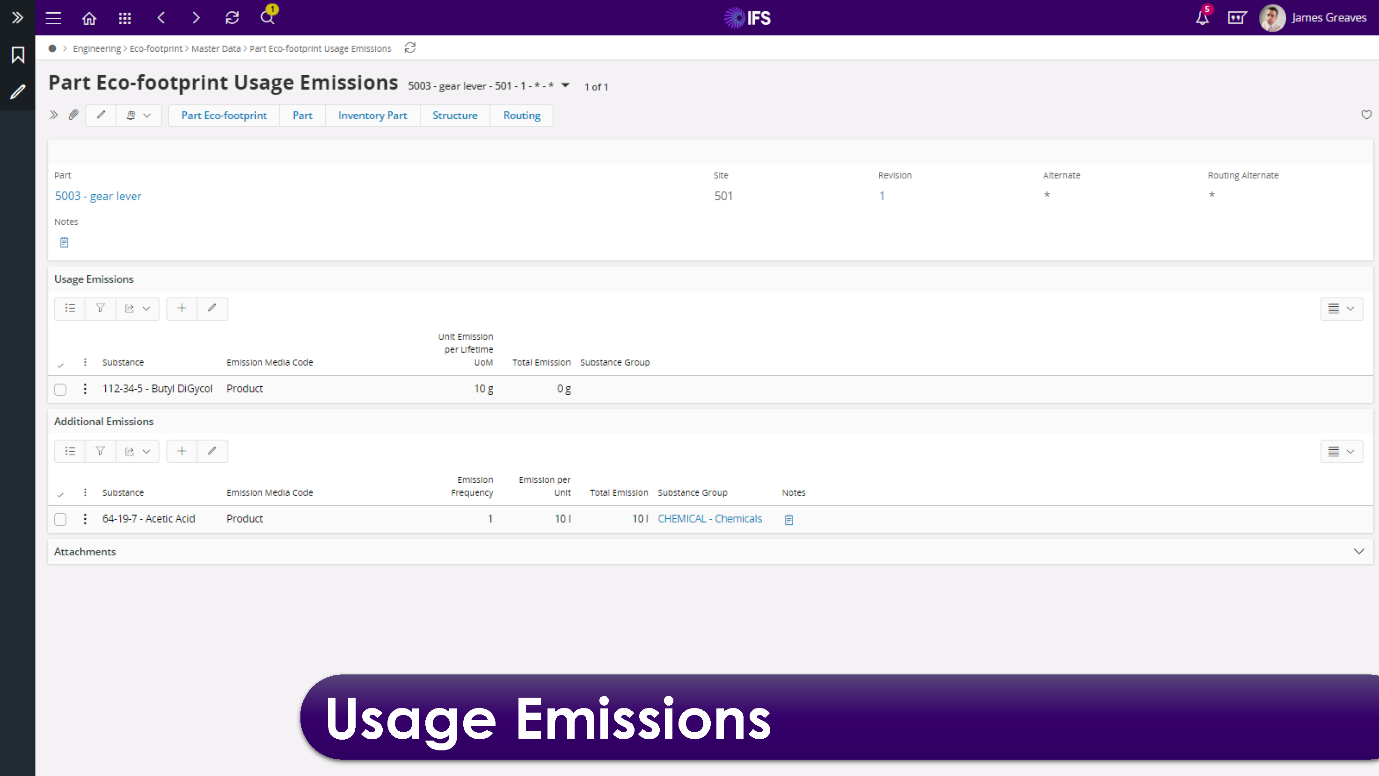
To support this, IFS Cloud has integrated real-time data on emissions and footprints directly into their platform, enabling informed decisions that further ESG goals. The Part Eco-footprint provides insight into the environmental impact of each component, which is crucial for designing an effective ESG strategy. With the ability to calculate the direct and indirect impact of substances and materials used, IFS Cloud supports companies' ability to not only report, but also actively manage and reduce their environmental footprint.
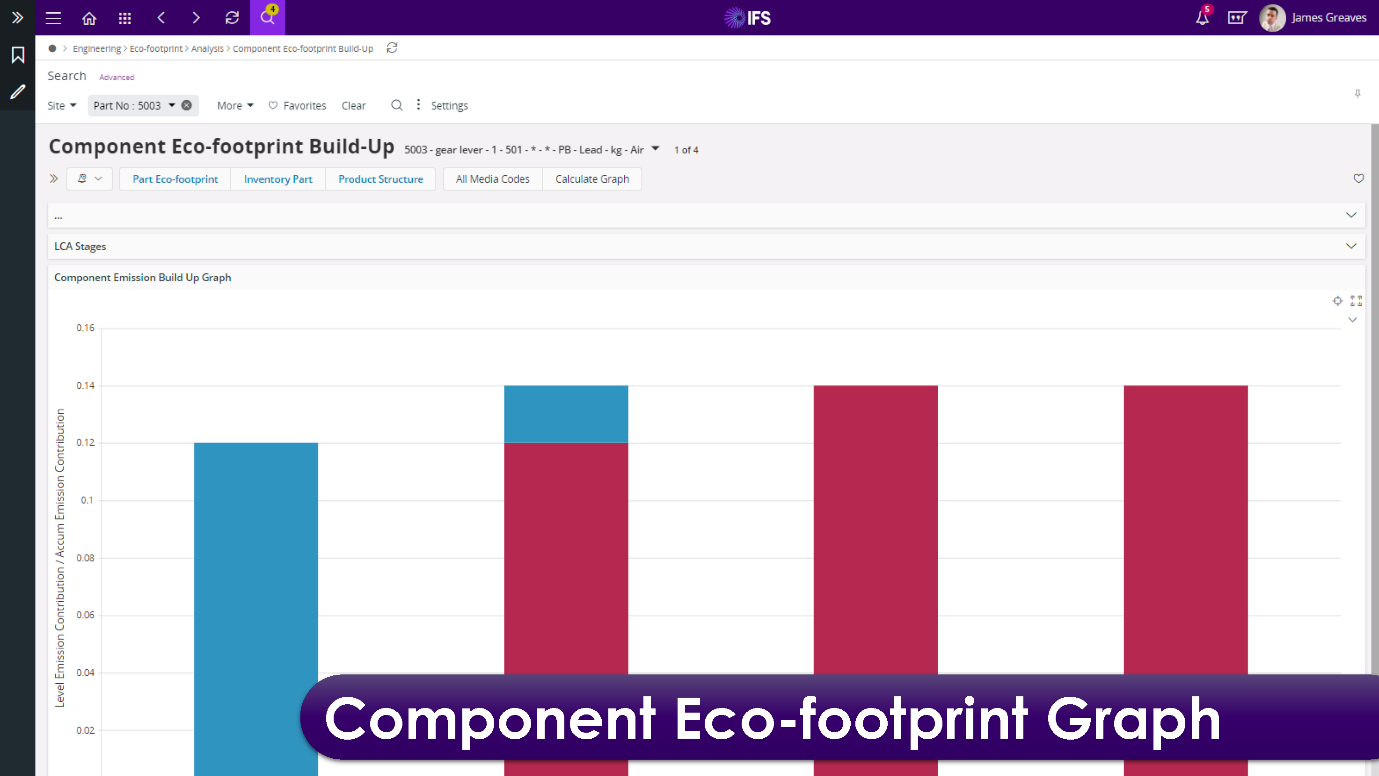
Data management and analysis
Data plays a crucial role in ESG implementation. Companies are using advanced analytics and artificial intelligence to gain deeper insights into their own and suppliers' operational and environmental performance. This not only helps to fulfil regulatory requirements, but also to identify areas for improvement and innovation.
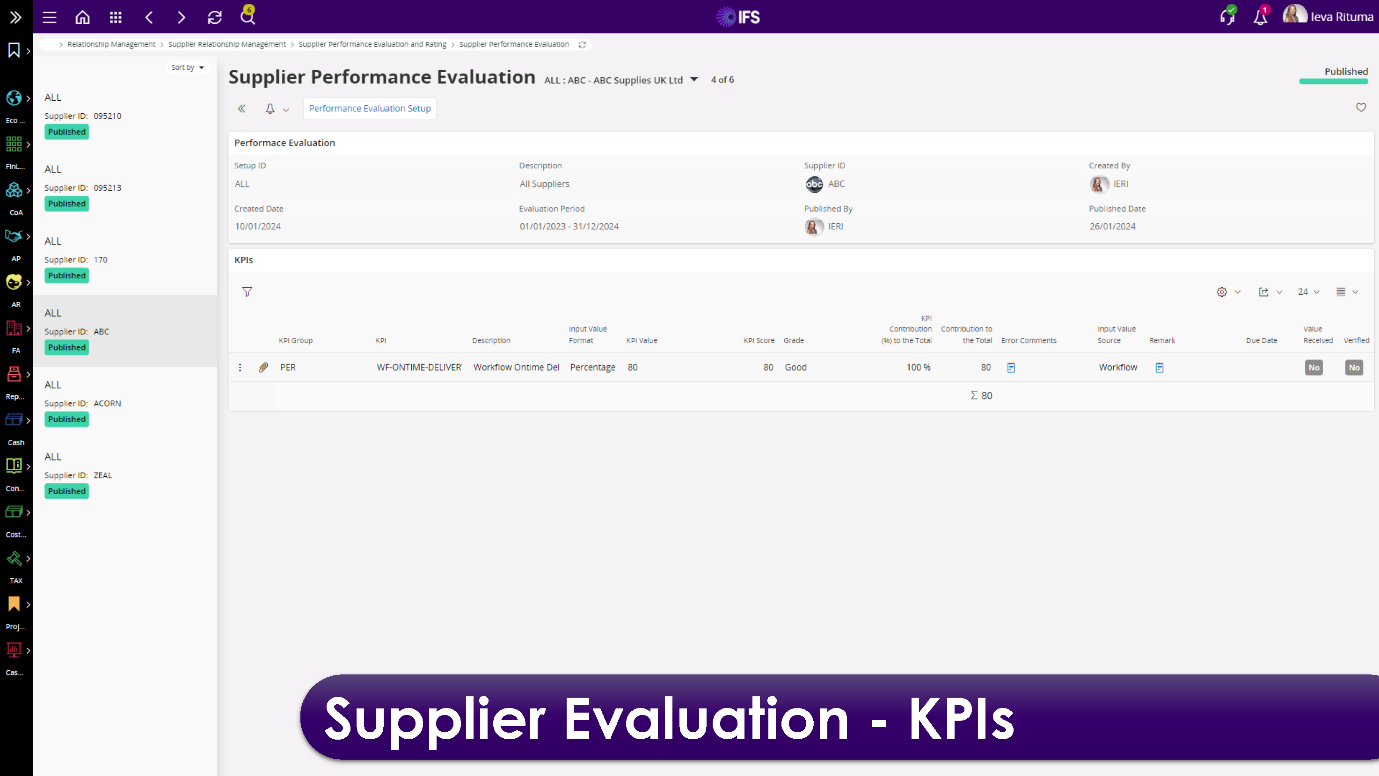
The future of ESG
If you take a stand on ESG reporting now, you have a good framework in place to be ready when it becomes a legal requirement.
If you want to learn more about how IFS can support your ESG implementation, please do not hesitate to contact us at +45 70200471.